Why delivery optimisation is making transformation worse
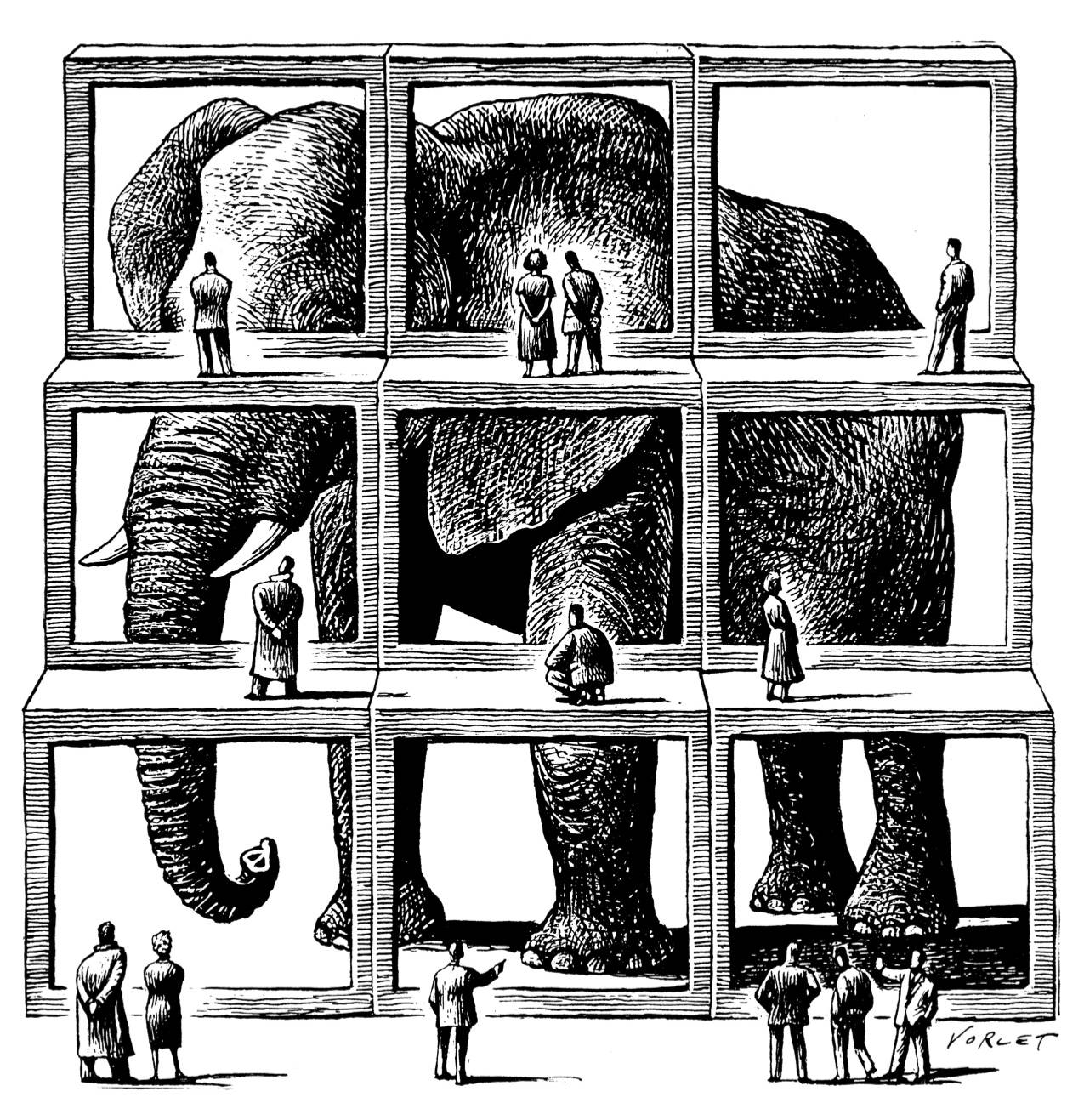

The paradox of delivery optimisation
For more than a decade, large banks have invested heavily in improving delivery. Agile at scale, lean governance, value-stream management, cloud tooling, and increasingly sophisticated PMOs were introduced with a clear aim: make transformation faster, cheaper, and more predictable.
In many respects, this worked. Teams are more disciplined. Throughput is higher. Releases are more frequent. By most delivery metrics, execution has improved. And yet transformation feels harder than it did ten or fifteen years ago. Senior leaders spend more time than ever in escalation forums, confidence in reporting has not increased, and when programmes fail, they do so abruptly - with little opportunity to intervene.
This is the paradox many executives now experience: delivery keeps improving, but outcomes feel worse.
A dangerous inversion
The instinctive response - to push delivery optimisation further - only deepens the problem. As banks continue to optimise across thousands of concurrent initiatives, local efficiencies improve while system-level complexities spread. Dependencies form between different reporting cycles, risks accumulate across teams, and actions in one area quietly remove options in another. The result is a dangerous inversion: as delivery improves, understanding of system-level behaviour decreases.
Amid growing complexity, senior leaders are forced to make consequential decisions using information that is partial, delayed, or structurally incomplete.
The cost of this sort of over-optimisation at the expense of decision-making clarity is not just operational. It can quickly become a question of leadership exposure. Confidence in reporting erodes, decisions are delayed because evidence is weak, and arguments are advanced based on anecdote or political pressure rather than structural understanding. Often, escalation forums multiply as leaders try to reconstruct reality through conversation.
Many leaders will reach for analytics tools at this point – including most current applications of AI. These increase signal without meaningfully improving context. They operate on flattened views of reality and analyse isolated signals without modelling how work, people, and dependencies interact over time. In environments where decisions are consequential and often irreversible, these are not benign limitations. They create confidence without accountability, speed without judgment, and produce answers without due consideration of the whole picture.
Decision-grade context
Senior leaders need context. A continuous, system-level view of how work, dependencies, and risk evolve over time, at the level leaders are accountable for. Without this level of decision-grade context, leaders will continue to make consequential, often irreversible decisions with incomplete or misleading information.
AI can provide a solution - but only if it is shaped by how a particular bank’s system works, with explicit understanding of that system’s structure and how it evolves over time. In short: only if it has context.
Delivery optimisation solved yesterday’s problem. Today’s challenge is governing change at the speed it now occurs. When systems change faster than leaders can see, delivery optimisation no longer improves outcomes - it makes them worse.

You might also like
Discover insights and tools for data analysis.

The hidden failures of transformation
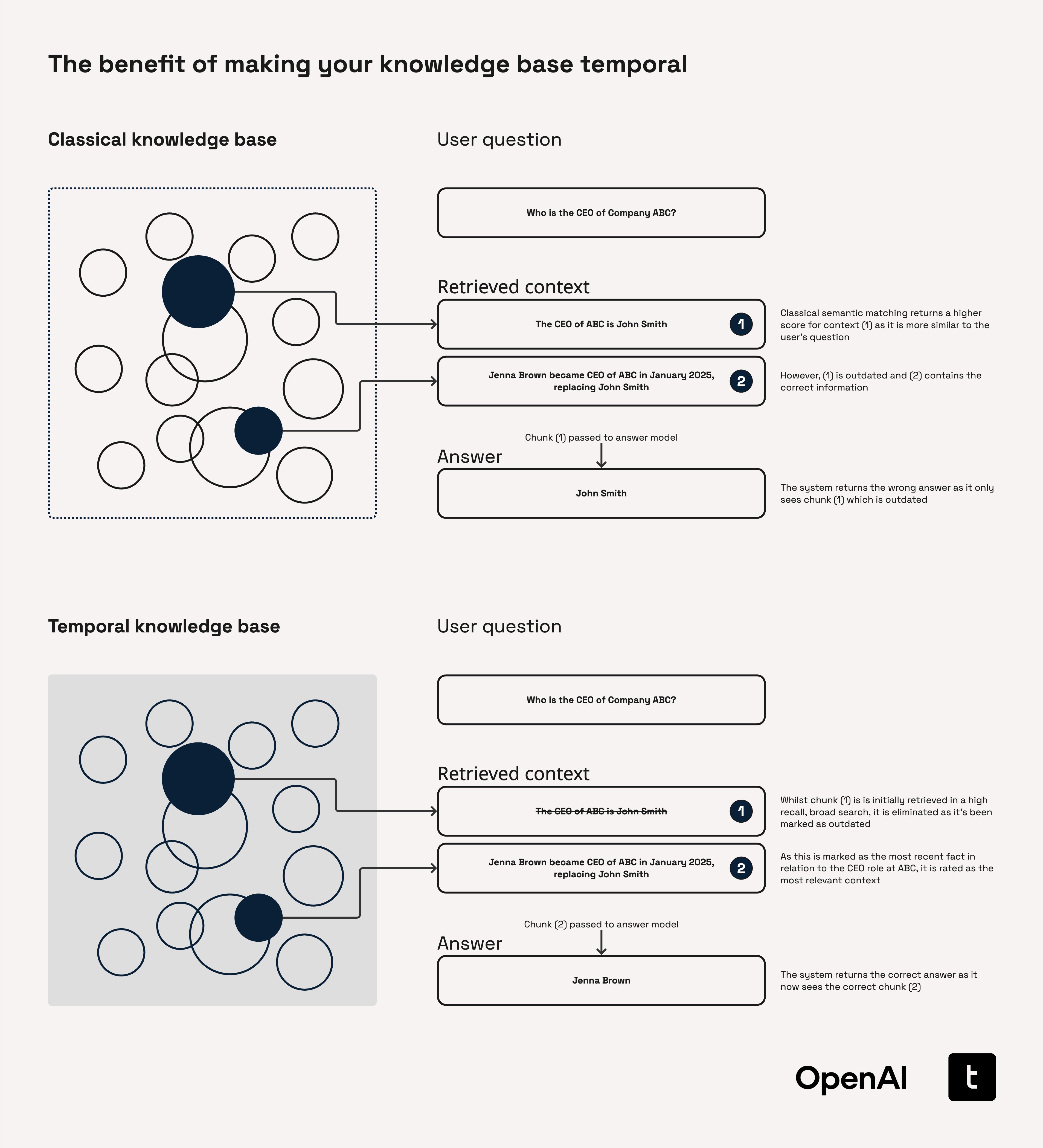
The Missing Link for AI Agents: Why a Native Temporal Graph is Non-Negotiable

Holistic Network Analysis Over Time

Unlock Your
Data's Potential
Discover how our tool transforms your data analysis with a personalized demo or consultation.